The kitchen is quiet, sunlight pours through the window, and you’re staring at shelves half-filled with odd ends: a can of chickpeas, one lonely carrot, a few dried herbs, and a smattering of pasta. There’s the familiar, nagging question: what can I possibly make with this? For many, the answer comes after too much time scrolling recipes, only to order takeout anyway.
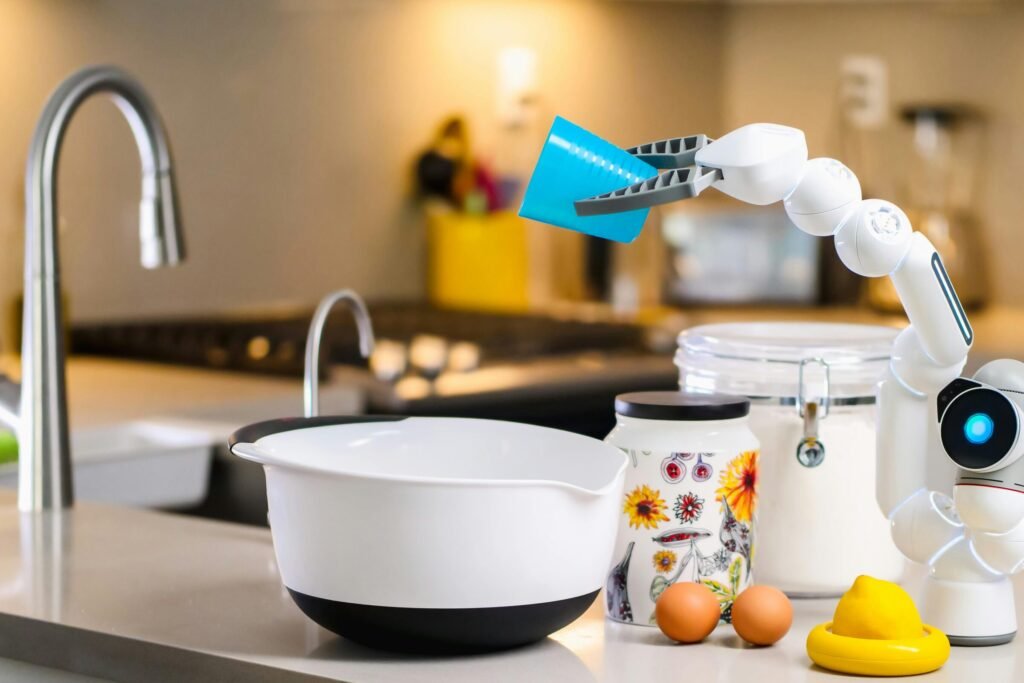
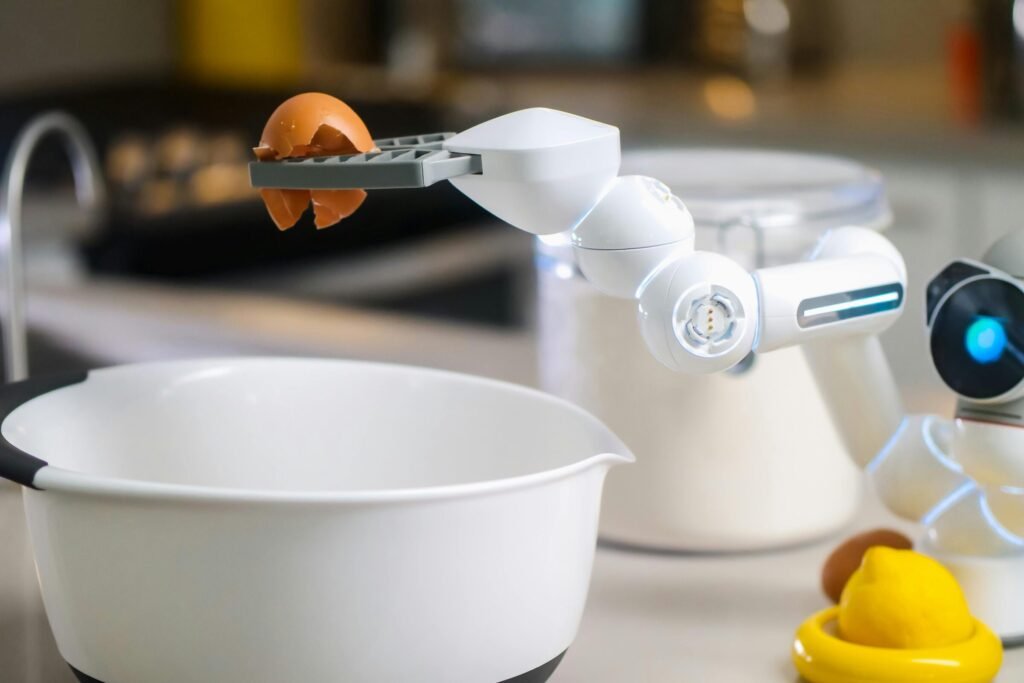
Now, smart tech stirs up the story. AI-powered recipe generators have landed in homes, acting as a creative sous chef any day of the week. These digital assistants take the stress out of “what’s for dinner?” and spin basic, even mismatched leftovers into inventive meals crafted to match your needs.
Welcome to the age where computers help clean out the pantry and surprise you at the table.
How AI Turns Random Ingredients Into Recipes

Imagine typing a list of what’s in your fridge into a website like DishGen or ChefGPT. Within moments, recipes tailored to your exact ingredients pop up. These aren’t just generic instructions, but creative solutions—like spicy chickpea pasta or carrot-herb fritters—using what you already have on hand.
AI recipe tools in 2025 are powered by smart systems that:
- Analyze your pantry list
- Pull ideas from massive recipe collections
- Suggest substitutions when something’s missing
- Adapt to your health goals, preferences, or allergies
Platforms such as FoodiePrep and ChefGPT make it possible to clean out cupboards without waste. DishGen, for example, is praised for its creative twists and ability to whip up meal plans while considering your lifestyle or diet.
More than just matching ingredients, these tools learn your preferences over time. Next time you enter “chicken, rice, broccoli,” you might get a zesty one-pan bake instead of the same old stir-fry. AI even helps you stretch a few ingredients further, transforming what might be a forgotten can in the back of the shelf into dinner tonight.
Behind the Scenes: AI’s Culinary Brainpower
Under the hood, machine learning and natural language processing make all this possible. The AI learns to “read” lists of ingredients, much like a chef considers what’s in a walk-in fridge. Applications like Portions Master use ingredient recognition and food label scans to understand what you own.
Recipe generators like DishGen, ChefGPT, and Whisk are fueled by vast datasets—think millions of recipes, food blogs, and cooking tips. The AI picks up on ingredient pairings, regional trends, and step-by-step instructions from these sources. Over time, the system learns which substitutions work, such as using Greek yogurt for sour cream or swapping spinach for kale.
The technology continues to improve, tapping into multilingual support and scalable APIs so that even professional kitchens and food creators can make fast, reliable content and meal plans on demand.
Benefits Beyond the Recipe: Reducing Waste and Saving Time
One of the best perks? AI recipe generators help you use what’s already in your kitchen. This means:
- Less food spoiling and ending up in the trash
- Lower grocery bills, since you buy only what you’re sure to use
- Fewer late-night grocery runs or takeout orders
Recent studies show that using AI-driven meal planners and recipe tools can cut household food waste by up to 30%, just by matching cooking ideas to what’s on hand. And because suggestions are instant and tailored, there’s much less time spent deciding what to eat or scrolling for ideas.
Many users also report feeling more inspired to cook, since AI brings creativity to routine ingredients. Leftovers become new meals, and Sunday “clean-out-the-fridge” night is suddenly less of a chore and more of a fun challenge.
Smarter Meal Planning With AI
Think about meal planning with a tech-savvy kitchen assistant. Apps like DishGen, Yummly, and ChatGPT now make it easy to:
- Plan meals for the week, using up groceries you already have
- Export smart grocery lists for only what’s needed
- Track nutrition, calories, and dietary restrictions
- Mix up your menu so dinner never feels dull
These apps use both your food inventory and dietary data to recommend balanced, imaginative meals that fit your tastes. You can even snap photos of your pantry with Samsung’s new AI-powered meal planner, and the software will auto-detect items and suggest recipes for them.
Variety is built in—one week you might get Tex-Mex casseroles, the next, Mediterranean one-pots, all tailored to your inputs. For families, AI helps schedule meals that keep everyone happy, even the pickiest eaters.
Personalization on Your Plate
One strength of today’s AI kitchen assistants is hyper-personalization. You can fine-tune recipe results by:
- Asking for more or less spice
- Filtering for gluten-free or dairy-free recipes
- Focusing on specific cuisines (Italian, Thai, vegan, etc.)
- Marking foods to avoid, like nuts or shellfish
- Highlighting nutritional needs, such as lower sodium or higher protein
Suppose your household loves spicy food, but one person can’t have tomatoes—no problem. AI meal planners adapt, so everyone eats well and safely. Some tools can even account for intermittent fasting, low-carb regimens, or meal prep for athletes.
A Glimpse of the AI Kitchen of Tomorrow
The future kitchen already looks different. In the next few years, AI may:
- Track pantry items in real time with smart labels or voice assistants
- Auto-link missing ingredients to online grocery orders
- Remind you when perishables need to be used up soon
- Suggest seasonal, sustainable recipes tailored to what’s left
- Guide balanced, health-focused eating with live nutrition feedback
Some home cooks use AI-powered fridges that scan and catalog food inventory, syncing with meal planning apps. Smart notifications nudge you to finish that head of lettuce before it wilts or recommend recipes for yesterday’s roast chicken. Sustainable cooking becomes easy, since nothing gets forgotten in the back of the fridge.
Conclusion
With AI stepping into the kitchen, the question “what can I make with this?” is easier—and more exciting—than ever. By using smart recipe generators and meal planners, anyone can turn a half-empty pantry into a plateful of possibilities. There’s less waste, and creativity lives right alongside convenience.
The new kitchen companion is here, ready to help you eat well, save money, and waste less, all with just a few taps on your phone or laptop. Dinner solutions are closer than you think—and sometimes, the best chef is already in your pocket.